🎉 Exciting News! Start with just a 10% deposit and choose a delivery date in 2026 to pay the rest. Flexibility made easy!

Why I Finally Bought a Cantilever Parasol (And Whether You Should Too)

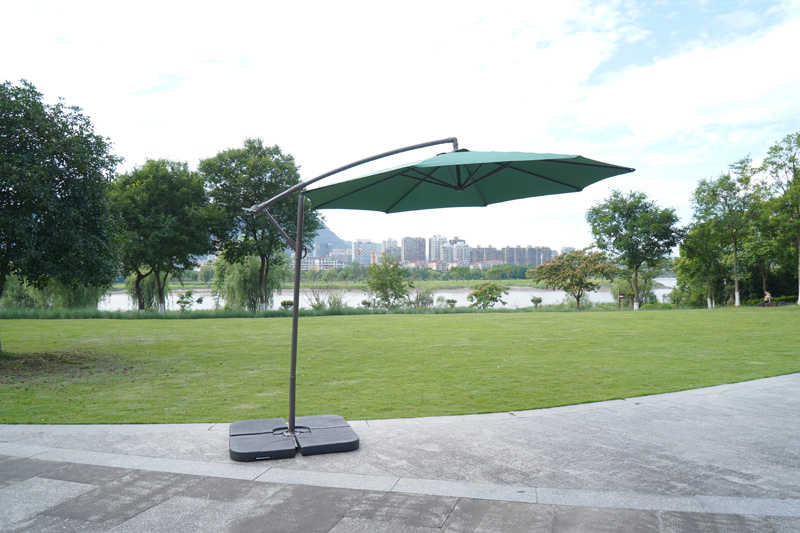
I resisted buying a cantilever parasol for three years.
They looked complicated. The price seemed steep compared to regular parasols. And honestly, I thought the whole “offset pole” thing was just a gimmick to justify charging more.
Then last April, I finally caved and bought one. Six months later, I wish I’d done it sooner – but not for the reasons the marketing suggests.
What Nobody Tells You About the Pole Problem
Here’s the thing about traditional parasols that you don’t realize is annoying until you live with it: that center pole is always in the way.
Not dramatically. Not obviously. Just… constantly there.
You’re setting the table and the parasol pole blocks you from putting the salad bowl in the middle. Someone needs to reach across for the bread and has to navigate around it. You want to lean forward to hear what your friend is saying and the pole is literally between you.
None of these are deal-breakers. You adapt. But they’re friction points that happen dozens of times each meal.
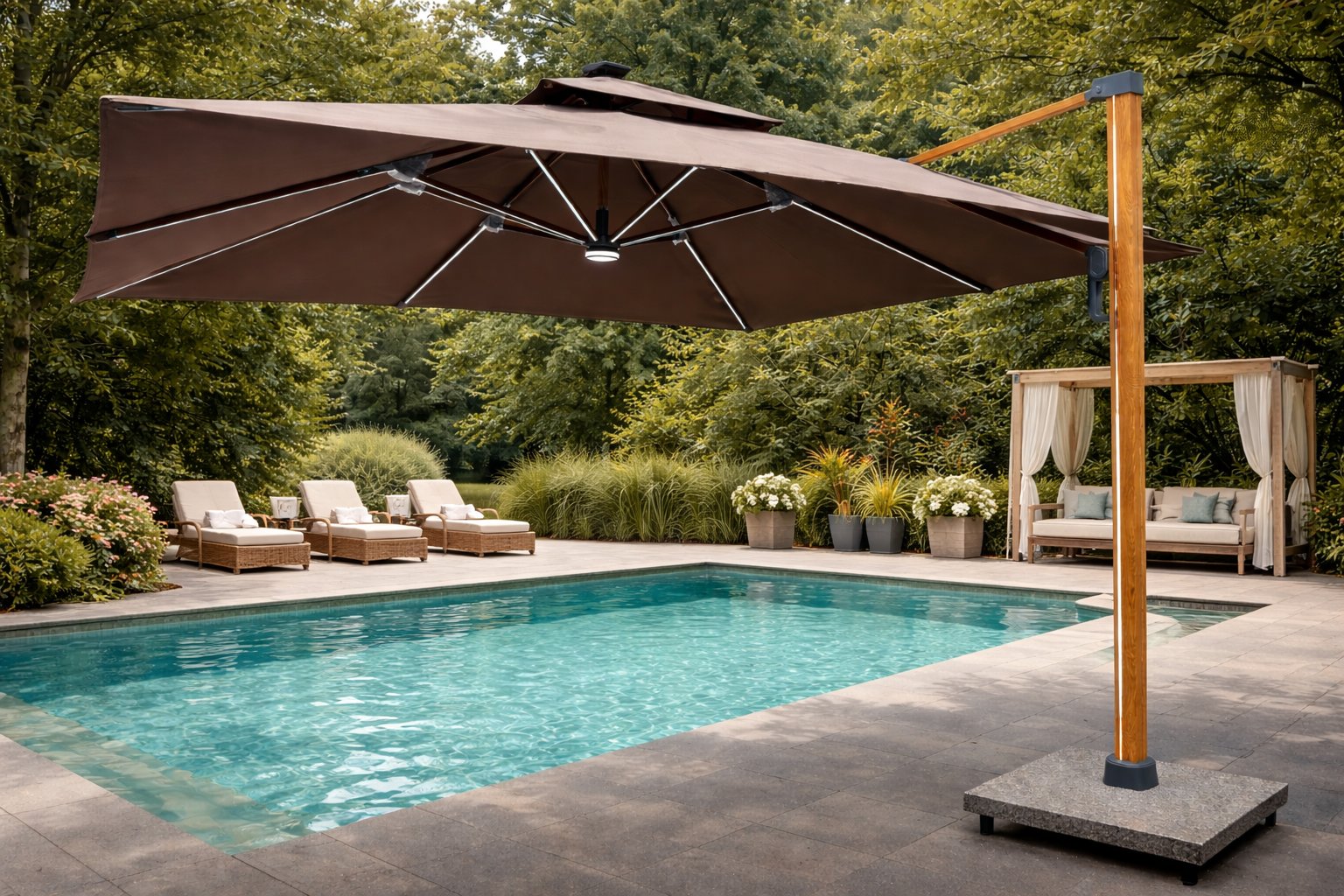
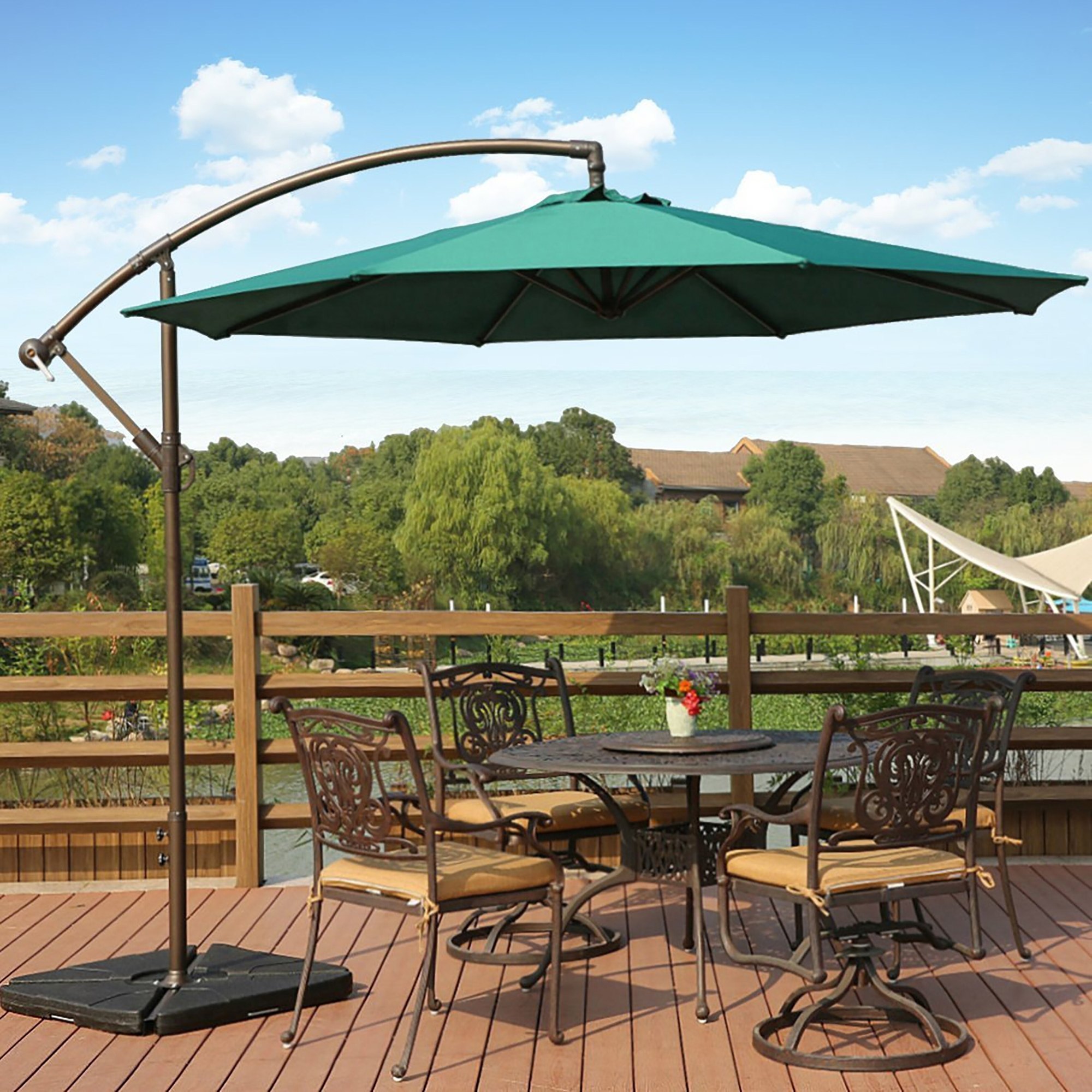
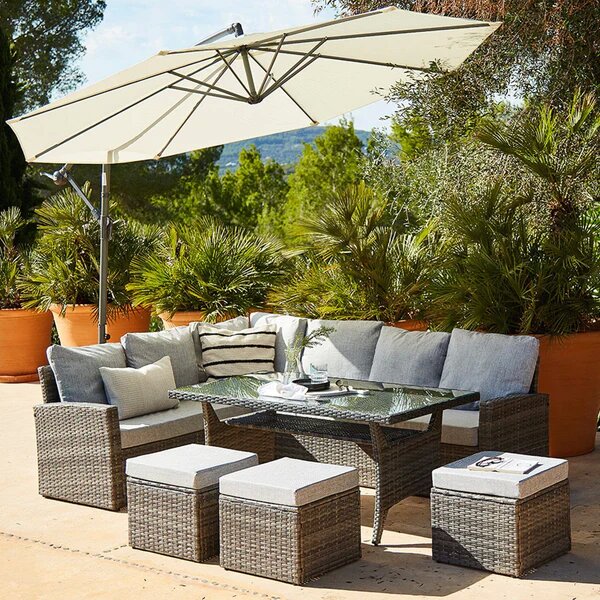
The cantilever design solves this by moving the pole to the side. The shade still covers your table, but the space underneath is completely clear. It’s one of those changes that seems minor until you experience it, then you can’t imagine going back.
My Buying Experience (And Mistakes)
I bought a 3-meter cantilever parasol with an aluminum frame. Mid-range price, nothing fancy. It came with a 60kg water-fillable base.
Mistake #1: I thought 60kg would be plenty. The parasol arrived, I set it up, filled the base, and it seemed stable. Then we had a moderately windy afternoon—nothing extreme, just typical British spring weather—and the whole thing tipped over.
Nobody was hurt and nothing broke, but it scared me enough to immediately order a heavier base. I now use an 80kg base and it’s rock solid even in proper wind. The lesson: base weight isn’t negotiable. Whatever you think you need, add 20kg.
Mistake #2: I positioned it too close to the table initially. The canopy covers the table fine, but the base was right where people walk to get to their seats. After watching three people nearly trip over it during our first barbecue, I moved the whole setup back about 40cm. Much better.
Mistake #3: I left it open overnight initially because closing it seemed fussy. One morning I came out to find it had caught wind during the night and the mechanism had jammed. Took me 20 minutes and some WD-40 to fix. Now I close it religiously when we’re not actively using it.
What Actually Matters in Real Use
The Rotation Thing
Most cantilever parasols rotate. Mine does a full 360 degrees, and this is genuinely useful—but not how I expected.
I thought I’d be constantly adjusting it throughout the day as the sun moved. That’s not how it works in practice. The sun moves slowly. By the time the shade coverage has shifted enough to bother you, it’s basically time for the next meal anyway.
Where rotation actually helps: repositioning the parasol for different uses. Morning coffee on the patio needs shade in one direction. Afternoon reading on the lounger needs it elsewhere. Evening drinks back at the table might need yet another angle.
The rotation lets you reconfigure your space without moving furniture or the base. That flexibility is what makes it worth having.
Size Considerations
My 3-meter canopy covers our 6-seater table with a bit of overhang. It’s adequate. If I were buying again, I’d go for 3.5 meters.
The extra half-meter makes a surprising difference. With the 3m canopy, if you lean back in your chair, your head can end up in direct sun. The 3.5m would provide more comfortable coverage without being so large it dominates the garden.
Bigger isn’t always better, though. My neighbor has a 4-meter cantilever parasol and it looks absurdly large in their modest patio. The canopy is genuinely bigger than their entire seating area. It provides excellent shade but feels visually overwhelming.
Match the size to your space. Measure your table, add a meter to each dimension for comfortable coverage, and that’s your target canopy size.
Material Quality Differences
The aluminum frame on mine has held up well. No rust, no corrosion, smooth operation after six months of British weather.
A friend bought a steel-framed cantilever around the same time. It’s showing rust spots where the powder coating has chipped. Steel is cheaper upfront but aluminum seems like the smarter choice for anything staying outside year-round.
The canopy fabric matters too, though this is harder to judge until you’ve used it. Mine is supposedly UV-resistant and water-repellent. The UV resistance seems genuine—colors haven’t faded noticeably. The water repellent is more questionable. Light rain beads off, but heavy rain soaks through eventually. I don’t think any parasol fabric is truly waterproof, just varying degrees of water-resistant.
The Cost Reality
My setup cost about £320 total—parasol plus the upgraded heavier base I bought after the tipping incident.
A comparable traditional parasol would have been maybe £100-150 including base. So I paid roughly double for the cantilever design.
Was it worth an extra £170-220? I use my patio at least 4 times a week between April and September. That’s roughly 100 uses per season. The convenience of unobstructed table space costs me about £2 per use in the first year, less each subsequent year.
Put that way, yes, it’s worth it to me. Your calculation might differ based on how much you actually use your outdoor space.
Where Cantilever Parasols Don’t Make Sense
Despite liking mine, I can think of situations where I wouldn’t recommend them:
Small bistro tables: If you’ve got a tiny two-seater table, a small traditional parasol works fine. The center pole isn’t in the way at that scale, and you’ll spend less money.
Tables with parasol holes: If your table has a built-in hole for a parasol pole, you might as well use it. The table provides extra stability, reducing the base weight you need. Cantilever parasols can’t take advantage of this.
Very exposed locations: If your garden is on a hill or otherwise very exposed to wind, cantilever parasols are vulnerable. The offset design catches wind differently than central poles. You’d need an extremely heavy base (100kg+) and even then you’d be closing it constantly on windy days.
Budget under £200: You can get a decent traditional parasol for under £100. Adequate cantilever parasols start around £180-200, and you need to add a proper base on top of that. If budget is tight, buy a good traditional parasol rather than a cheap cantilever.
Covered pergolas or gazebos: If you already have permanent shade structure, adding a parasol is redundant. Save your money.
The LED Light Question
Some cantilever parasols have built-in LED lights powered by solar panels. I don’t have these, but my neighbor does.
Are they worth the extra cost? Depends how you use your garden.
The lights provide ambient illumination—enough to see your drink and your dinner companions, not enough to read by. They create nice atmosphere for evening entertaining.
But they’re not bright enough for any task that requires actual visibility. And if you already have garden lighting or string lights, they’re redundant. My neighbor uses hers regularly and likes them. I haven’t missed not having them because we have other outdoor lights.
If you regularly eat outside after dark and don’t have other lighting solutions, the solar LED versions make sense. If you mainly use your patio during daylight, save the money.
Maintenance Reality
Cantilever parasols require more attention than traditional ones. More moving parts mean more things that need occasional maintenance.
The rotation mechanism on mine needed lubrication after about four months. I heard a squeaking sound when rotating it, applied some silicone spray to the pivot points, and it’s been smooth since.
The crank handle that opens the canopy occasionally gets stiff. I discovered that a tiny bit of graphite powder on the cable mechanism keeps it operating smoothly.
The base needs checking periodically. Water-filled bases can develop algae if left sitting too long. I drain and refill mine at the start of each season, takes about 10 minutes.
None of this is difficult or time-consuming, but it’s more involved than traditional parasols which are basically maintenance-free apart from cleaning the canopy occasionally.
Storage Challenges
Here’s something I didn’t consider: cantilever parasols are awkward to store.
Traditional parasols close up into a relatively compact bundle. Cantilever parasols don’t. The offset arm and the way the mechanism folds means they stay quite bulky even when closed.
Mine lives outside year-round under a protective cover. I don’t have shed space large enough to store it, and getting it through my garden gate would require partially disassembling it.
If you plan to store your parasol inside during winter (which extends its life), make sure you have adequate space. Measure the folded dimensions, not just the canopy size.
Alternatives Worth Considering
Before buying a cantilever parasol, I looked at other shade options:
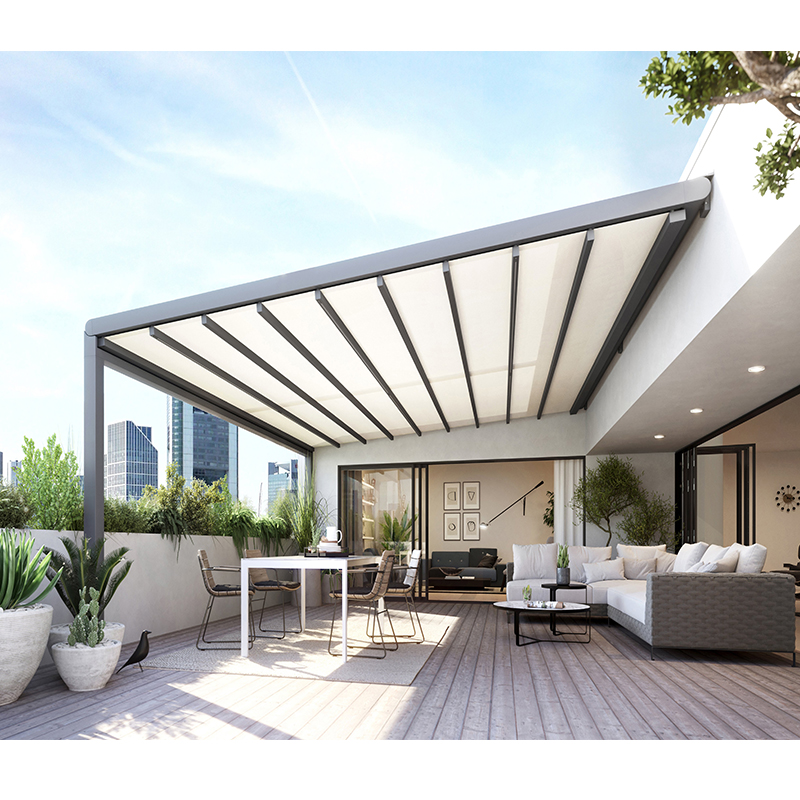
Wall-mounted parasols: These attach to your house wall and extend out over your patio. They offer similar benefits to cantilever designs—unobstructed space underneath—but require permanent mounting. Great if your patio is against the house, useless if you want shade in the middle of the garden.
Sail shades: Triangular fabric stretched between posts. Cheaper than parasols and very effective. The downside is they’re basically permanent installations. You can’t easily remove them or adjust coverage.
Pop-up gazebos: Provide much more coverage than parasols and protect against rain better. But they’re larger, more expensive, and feel less elegant. Fine for events, awkward for everyday use.
I almost went with a sail shade before choosing the cantilever parasol. The parasol won because of adjustability—I can move it if I rearrange furniture, angle it different ways, close it completely when not needed. Sail shades are fixed once installed.
What I’d Do Differently
If I were buying again:
-
Start with the heavier base immediately (save money and hassle)
-
Go half a meter larger on canopy size
-
Position it further from the table initially
-
Buy a quality cover at the same time rather than adding it later
-
Consider the LED version if budget allowed (neighbor’s review is positive)
What I’m happy with:
-
Aluminum frame choice (holding up perfectly)
-
The flexibility it provides for different uses
-
Not buying the cheapest option (mid-range quality seems reliable)
The Actual Verdict
Cantilever parasols solve a real problem if you use your outdoor dining space regularly. The unobstructed table area and repositioning flexibility genuinely improve the experience.
But they are not revolutionary. You will still eat outside the same amount. Food won’t taste better. The sun won’t feel less hot. You just won’t have an annoying pole in the middle of your table.
Whether that’s worth the extra cost and complexity depends entirely on your usage patterns and budget. I use my patio extensively and the improvement is noticeable enough that I’d make the same choice again. If I only ate outside occasionally, I’d have stuck with a traditional parasol.
The marketing around cantilever parasols tends toward exaggeration. They are described as transforming your outdoor space or revolutionizing garden living. That’s nonsense. They are just well-designed parasols that fix an annoying problem with traditional designs.
Set your expectations appropriately and you’ll probably be happy with one. Expect miracles and you’ll be disappointed.
For me, six months in, it’s proven to be money well spent—but I’m also someone who eats outside 4+ times per week in season. Calculate your own usage and decide accordingly.
If you have decided a cantilever parasol makes sense for your situation, we stock several options in our parasol collection.
Got questions about specific features or setup challenges? I’m happy to share more details from six months of actual use.
About the Author:
I’m David Fry, owner of Teak Garden Furniture Outlet. I’ve been testing and selling garden furniture since 10+ years. This review is based on my personal cantilever parasol that I bought and use at home – not one from my shop inventory. All opinions are my own experience.