🎉 Exciting News! Start with just a 10% deposit and choose a delivery date in 2026 to pay the rest. Flexibility made easy!

Is Fully Waterproof Enough? The Importance of UV Protection for Garden Furniture Covers


There is a familiar scenario that plays out in gardens across the UK every spring. A homeowner walks out to their patio to unveil their furniture for the first time since October. They bought a cover a “100% Waterproof” heavy-duty sheet from a general hardware store and they feel confident.
They reach for the corner of the cover to pull it off, and instead of the fabric gliding smoothly, it crunches. It feels stiff, like parchment paper. As they pull harder, the material doesn’t fold; it snaps. A long tear opens up right down the middle, releasing a cloud of fine white plastic dust.
What happened? It didn’t rain that much. The wind wasn’t that strong.
The culprit wasn’t the water. It was the sun.
In our industry, we spend a lot of time talking about rain. It makes sense; the British climate is wet, and the primary instinct is to keep timber and rattan dry. However, in our decades of experience protecting high-value furniture, we have found that UV radiation is actually the number one cause of cover failure.
While a waterproof rating keeps your furniture dry, it is the UV rating that keeps the cover existing. In this deep dive, we are going to explore why “waterproof” isn’t enough, the science of how sun destroys fabric, and why our specific range of breathable, UV-stabilized covers from our Rectangular 10 Seater giants to our Round 4 Seater sets are engineered to survive the silent killer in the sky.
Why Keeping Water Out Isn’t the Only Job
To understand why UV protection matters, we first have to address the obsession with “waterproofing.”
When you see a cover marketed solely as “100% Waterproof,” it is usually made of a solid sheet of plastic, typically Polyethylene (PE) or PVC. Think of a heavy-duty bin liner or a tarpaulin.
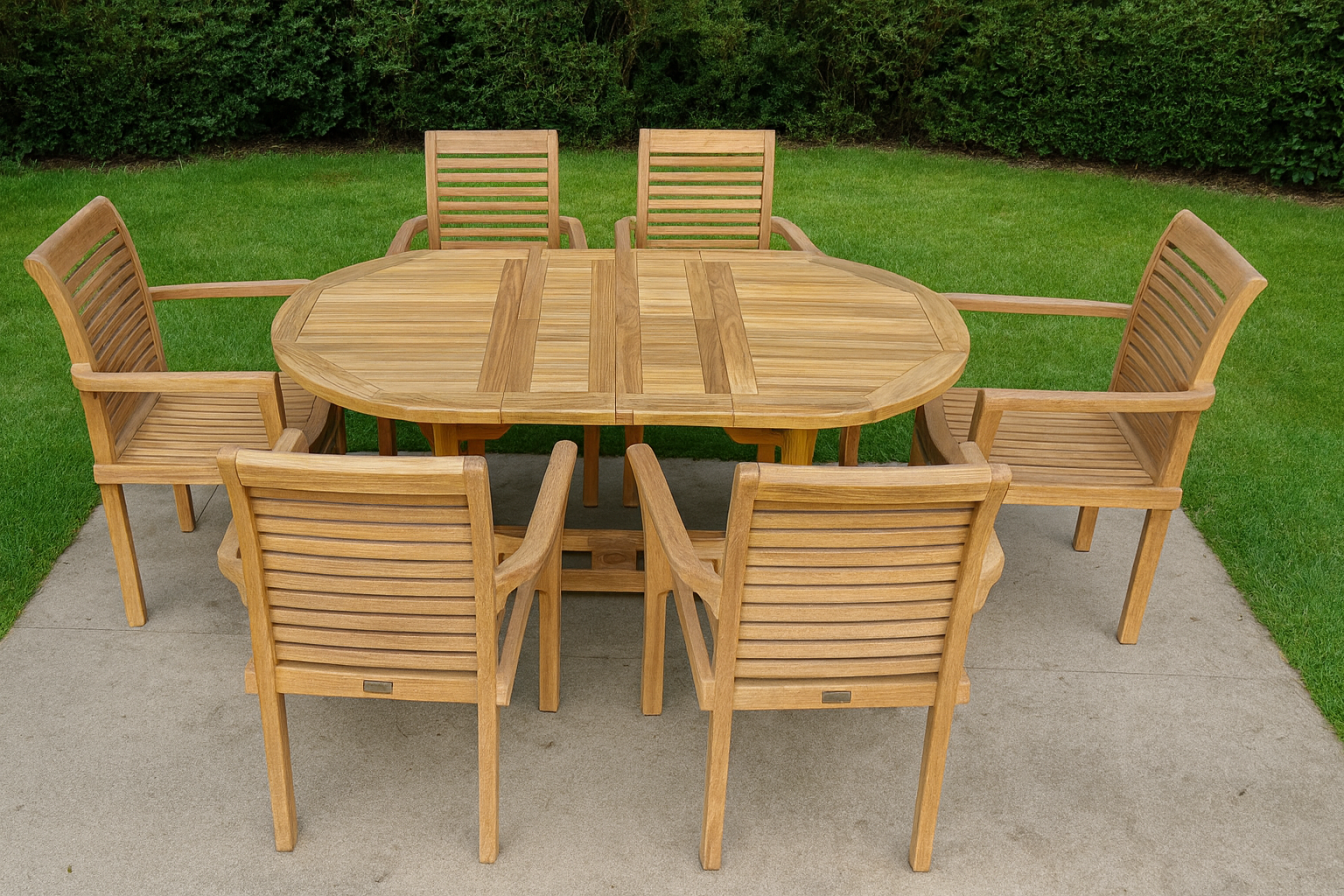
These materials are excellent at stopping water ingress. In fact, they are often too good. They create a hermetically sealed environment. If you place a solid plastic sheet over a Teak Garden Furniture Rectangular 10 Seater Extending Table, you stop rain getting in, but you also stop moisture getting out.
The Greenhouse Effect
When the sun hits a non-breathable waterproof cover, the temperature underneath spikes. This is the greenhouse effect. Any moisture trapped in the wood or rising from the patio stones turns into vapour. It hits the underside of the waterproof cover, cools, and condenses.
This creates a warm, damp microclimate that is perfect for:
-
Black Mould: Which eats into the grain of your teak.
-
Warping: The heat fluctuation causes timber to expand and contract violently.
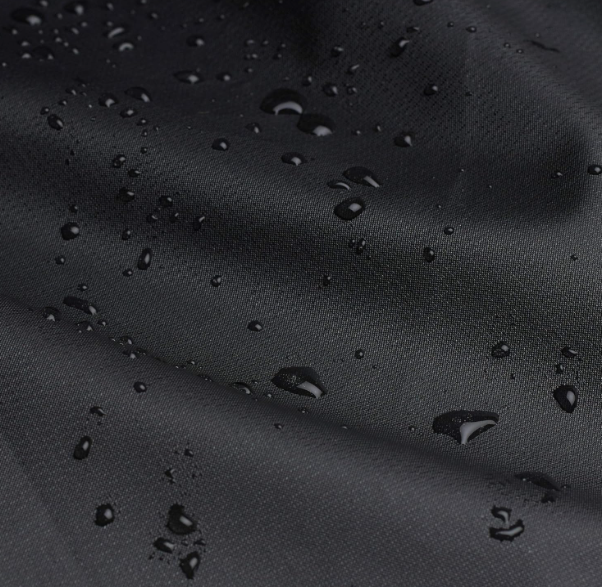
So, while the cover remained “waterproof,” the furniture underneath suffered. This is why our Premium Covers utilize a breathable membrane. We use specially woven polyester with a coating that allows air molecules to pass through (letting the furniture breathe) while blocking larger water droplets (keeping the rain out).
But here is the catch: Polyester is a fabric. And like all fabrics, it is vulnerable to the sun. This is where UV stabilization becomes the defining feature of a quality cover.
How UV Light Destroys Covers
You might think, “I live in the UK, not the equator. Surely the sun isn’t strong enough to destroy a heavy-duty cover?”
This is a dangerous misconception. UV radiation (Ultraviolet) is present even on cloudy days. It is a high-energy wavelength that attacks the chemical bonds of polymers.
Photodegradation Explained
Most garden furniture covers are made from synthetic polymers. At a microscopic level, these are long chains of molecules holding hands. These chains give the cover its strength, its flexibility, and its tear resistance.
When UV photons hit these chains, they act like tiny scissors. They excite the electrons in the chemical bonds until they snap. This process is called photodegradation.
-
Loss of Colour (Bleaching): The first sign is usually fading. A black cover turns grey; a green cover turns pale turquoise. This is the dye breaking down.
-
Loss of Plasticizers: Cheap PVC covers use chemicals called plasticizers to make them flexible. UV light evaporates these chemicals.
-
Embrittlement: Once the plasticizers are gone and the polymer chains are cut, the material loses its elasticity. It becomes brittle. This is why the cover in our opening story “crunched.” It effectively turned into a layer of brittle eggshells.
A cover without UV stabilizers might be fully waterproof on day one. But by day 100, the UV has compromised the fabric structure so severely that the first gust of wind will cause catastrophic failure.
The Solution: UV Stabilization Technology
We do not treat UV protection as an afterthought. For our product range, from the Cover For Teak Garden Furniture Round 4 Seater up to the massive Oval 10 Seater sizes, UV resistance is baked into the manufacturing process.
We use a specialized treatment process for our woven polyester.
Solution Dyeing vs. Surface Dyeing
Cheaper covers are often “piece-dyed.” This means the fabric is woven first, then dipped in colour. The colour sits on the surface, like a layer of paint. UV light burns through this layer very quickly, exposing the raw fibers underneath to damage.
Our premium covers use a process closer to “solution dyeing,” where the fibers themselves hold the resistance. We apply a UV-stabilizing coating that acts like sunblock for the fabric. It absorbs the UV radiation and dissipates it as low-level heat, preventing it from attacking the molecular chains of the polyester.
This means that our Cover For Rattan Garden Furniture Rectangular 6 Seater will remain flexible and strong for years, not just a single season. It retains its tear strength, meaning it can continue to withstand British winter gales long after a cheaper cover would have disintegrated.
Product Spotlight: Protecting Large Surface Areas
The importance of UV protection increases with the size of the furniture. The larger the surface area, the more solar radiation the cover absorbs.
The Challenge of the 10-Seater
Consider our Cover For Teak Garden Furniture Rectangular 10 Seater Extending Table. This is a massive piece of furniture. When covered, it presents a huge, flat “roof” to the sky.
If this cover were made of standard hardware-store plastic, the centre of that large span would bake in the sun. The heat stress would be enormous. Because our covers are UV stabilized, they can handle this exposure.
-
The Fit: We also design these covers specifically for the dimensions of our extending tables. A loose, baggy cover flaps in the wind, creating stress points. A UV-weakened cover that is flapping will tear instantly. Our tailored fit minimizes flapping, working in tandem with the UV coating to prolong lifespan.
The Challenge of the Oval
The Cover For Teak Garden Furniture Oval 8 Seater presents a different challenge. The curved edges mean the fabric has to drape under tension around the rim of the table.
-
Tension Points: UV light attacks tension points first. On a curved table, the fabric is pulled tightest at the “shoulders” of the oval. Without UV protection, these shoulders are the first place to rip. Our reinforced fabric ensures that these high-stress areas remain pliable, preventing the “corner blowout” common in generic oval covers.
Teak vs. Rattan: Different Materials, Same UV Threat
We categorize our covers into specific ranges Covers for Teak and Covers for Rattan because the underlying furniture reacts differently to heat and moisture. However, the requirement for the cover itself to resist UV is universal.
The Rattan Risk
Our Deluxe Round Furniture Cover For Rattan is designed to protect synthetic weave. Synthetic rattan (HDPE) is durable, but if you cover it with a cheap, black PVC sheet that lacks UV stability, you create a “solar oven.”
-
Heat Transfer: A cheap black cover absorbs heat and transfers it directly to the rattan underneath. In extreme heatwaves, we have seen cheap covers actually melt onto the rattan glass tops or cause the rattan strands to sag.
-
Our Solution: Our covers are designed to reflect and dissipate heat. They protect the rattan from frost in the winter (which causes snapping) but also ensure that in summer storage, the furniture doesn’t cook inside the bag.
The Teak Requirement
For teak, the breathable membrane is key. But UV protection for the cover is vital to keep that membrane intact. If the sun destroys the outer coating of the cover, the waterproofing fails. Once the waterproofing fails, the breathable membrane gets saturated and clogged with algae.
By keeping the outer shell UV resistant, we protect the integrity of the breathable layers beneath, ensuring your Rectangular 8 Seater Teak Set stays silver-grey and dry, rather than green and mouldy.
Why Colour Matters
You will notice that most of our Garden Furniture Covers come in a specific shade of green or grey/black. This is not an arbitrary design choice; it is a functional one influenced by UV science.
Clear plastic covers are disastrous for garden furniture. They act like a greenhouse, magnifying UV rays onto the wood varnish or rattan weave.
Black covers are popular for aesthetics, but they absorb the full spectrum of light, converting it to heat. Unless heavily UV stabilized, black covers degrade the fastest.
Green (often used in our range) is an excellent compromise. It blends with the garden environment, but functionally, it contains pigments that are naturally more resistant to UV breakdown than lighter colours, which allow light to penetrate, or darker colours, which absorb excessive heat.
Fastenings: The First Line of Defence
A UV-damaged cover is a weak cover. The first place you will notice this weakness is at the anchor points.
We equip our covers, such as the Cover For Teak Garden Furniture Round 4 Seater, with heavy-duty brass eyelets and drawstrings (or cord locks).
-
The Stress Test: When the wind blows, the cover pulls hard against these eyelets.
-
The UV Factor: If the fabric around the eyelet has been weakened by the sun, the metal eyelet will rip straight out of the material. It pulls through like a knife through butter.
Because we use UV-stabilized polyester, the fabric surrounding our anchor points retains its tensile strength. The eyelets hold fast, keeping your furniture secure even during the autumnal storms that often follow a hot summer.
Winter vs. Summer: When Does Damage Happen?
A common question we receive is: “Do I need to cover my furniture in the summer?”
The answer is nuanced.
-
Teak: Teak loves the sun. It silvers naturally. You generally don’t need to cover teak in summer unless you are preventing bird droppings or food stains.
-
Rattan: While UV stabilized, rattan lasts longer if covered when not in use for long periods.
However, the cover itself is often used most heavily in:
-
Late Spring (Pollen season): High UV.
-
Late Summer/Autumn: High UV mixed with rain.
-
Winter: Low UV, high moisture.
The damage that ruins a cover usually happens in the summer, even if you don’t notice it until winter. The summer sun cooks the plasticizers out of a cheap cover. It sits there, looking fine. Then, the first winter frost arrives, hardening the material further. The first winter gale hits, and the cover shatters.
By investing in a Teak Garden Furniture Outlet premium cover, you are buying a product capable of surviving the summer sun so that it is still intact to do its job in the winter rain.
Longevity and The “Cost Per Use” Calculation
We understand that our covers represent a higher investment than a generic tarpaulin from a supermarket. But this is a classic case of “buy cheap, buy twice” (or three times).
Let’s look at the math.
-
Generic Cover (£30): Lasts 1 season. Fails due to UV embrittlement. Tapes up with duct tape (which looks terrible and fails anyway). Replaced next year.
-
Our Premium Cover (£105-£150 depending on size): Lasts 5+ years. Retains flexibility. Protects the £2,000 dining set underneath effectively.
If you have invested in a Rectangular 10 Seater Extending Table, protecting it with a budget cover is a false economy. If the cover fails and leaks water onto the table, which then freezes, you could crack the mortise and tenon joints of the table itself. The cost of the cover is insurance for the furniture.
Maintenance: Protecting the Protector
Even our UV-stabilized covers need some care to perform at their best. Think of the cover as a shield; occasionally, you need to clean the shield.
1. Cleaning Bird Lime
Bird droppings are acidic. Combined with UV light, they create a chemical burn on the fabric. If you see bird lime on your Oval 8 Seater cover, hose it off. Do not scrub hard with abrasive brushes, as you might wear down the UV coating. Use warm, soapy water and a soft sponge.
2. Storage When Not in Use
When you take the cover off for the summer to enjoy your furniture:
-
Do not screw it up into a tight ball and throw it in a wet shed.
-
Do not leave it lying on the grass in direct sun for weeks.
Fold it up dry. Store it in a dry place out of direct sunlight. While the cover is built to withstand sun, unnecessary exposure when it’s not even protecting the furniture is just wasting its lifespan.
3. Re-proofing
Over 3-5 years, even the best UV coating can start to degrade slightly, and the water-beading effect (DWR) might reduce. You can rejuvenate our covers using a spray-on tent or canvas proofer (like Fabsil). This adds a fresh layer of UV and water protection, extending the life of the cover for another few years.
Don’t let the Sun Beat the Rain
It is easy to sell “waterproof.” You can see rain. You can see the water beading on the surface. It is much harder to sell “UV Protection” because you cannot see it working—until you see a cheap cover failing.
At Teak Garden Furniture Outlet, we build our covers to standards that respect the reality of the British climate. We know that a cover needs to breathe to prevent mould. We know it needs to be tough to withstand wind. But most importantly, we know it needs to resist the sun to survive long enough to do the other two jobs.
Don’t settle for just keeping the water out. Make sure you are keeping the sun from destroying the barrier itself.