🎉 Exciting News! Start with just a 10% deposit and choose a delivery date in 2026 to pay the rest. Flexibility made easy!

When to Put Garden Furniture Covers On and When to Take Them Off


There is a particular kind of frustration that comes from lifting a garden furniture cover in spring and finding the cushions underneath have gone mouldy, or discovering that condensation has been sitting against the frame all winter without anywhere to escape. It is the kind of thing that makes you wonder whether the cover actually helped at all.
The honest answer is that covers do help, but only when used correctly. Timing matters. Fit matters. The type of furniture underneath matters. And the British climate, which rarely behaves in a way that follows a neat seasonal calendar, means that knowing when to put a cover on and when to leave it off requires a bit more thought than most people give it.
I have been working with outdoor furniture long enough to have seen the results of both extremes. Furniture left completely uncovered through several winters, and furniture kept permanently under a cover without any ventilation or seasonal assessment. Neither approach is ideal, and the truth tends to sit somewhere between the two depending on the material, the time of year, and what the weather is actually doing.
What a Cover Is Actually Doing
Before getting into timing, it helps to be clear about what a garden furniture cover is and is not designed to do.
A good quality cover provides protection against direct rain, prevents debris from accumulating on surfaces, blocks UV radiation during periods of strong sun, and reduces the speed at which frost and ice form on furniture during cold snaps. It also keeps bird droppings, tree sap, and general garden mess off the furniture when it is not in use for extended periods.
What a cover does not do is create a sealed, climate-controlled environment. Outdoor furniture, particularly wood, expands and contracts naturally as temperatures and humidity change. A cover does not stop that process. It does not prevent moisture that has already entered the wood from moving. And if a cover is non-breathable or fitted too tightly against the furniture without any airflow, it can actually trap moisture against surfaces rather than allowing them to dry out after rain.
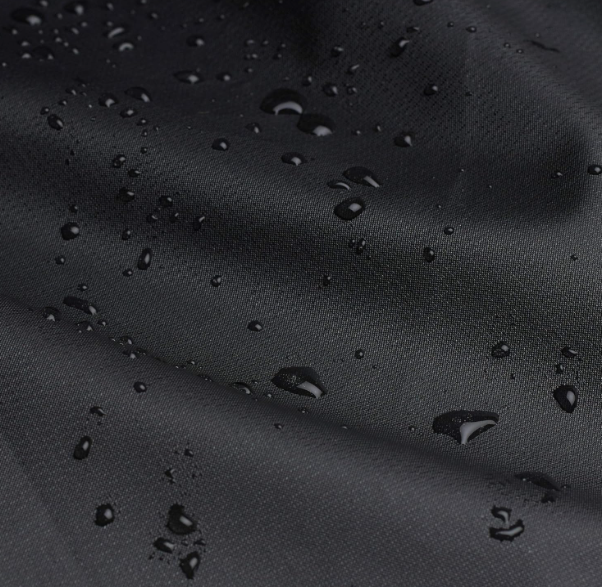
The covers we stock are designed to be breathable as well as waterproof. That combination is important. Waterproofing stops rain from soaking through from above. Breathability allows moisture vapour to escape rather than being trapped underneath the cover where it has nowhere to go. If you are ever in the position of choosing between a very cheap non-breathable cover and a properly made breathable one, the difference in what you find underneath after a winter will be noticeable.
The Case Against Covering Furniture All Year Round
This is probably the most common mistake, and it is understandable because it feels like the cautious choice. If covering the furniture protects it, then leaving it covered all the time should offer even more protection. That logic is reasonable on the surface but does not hold up in practice.
Garden furniture, particularly teak, needs to breathe. Teak contains natural oils within the wood that give it weather resistance, and those oils need air movement around the furniture to behave as they should. Keeping teak under a cover for months at a time without lifting it periodically, checking the surface, and allowing air circulation can lead to moisture being trapped against the wood. In damp British conditions, that trapped moisture creates an environment where mould and mildew can develop, particularly on any cushions that have been left in place.
Rattan furniture has similar considerations around its cushions. The weave of synthetic rattan itself handles moisture reasonably well, but cushions left under a cover without any airing during milder spells in autumn or early spring can develop a musty smell that is difficult to remove entirely.
There is also the practical question of use. During summer, removing and replacing a large cover every time you want to sit outside becomes a deterrent to actually enjoying the garden. A cover that stays permanently in place during the warmer months is usually doing more harm to the furniture than the furniture would experience from being left uncovered.
Spring: Taking the Cover Off for the Season
March is, in most parts of the UK, the point where leaving your furniture covered starts working against you. The worst of the frost risk has usually passed by mid-March in most of England and Wales, and the increasing daylight hours mean that UV exposure from the sun becomes more significant. A cover that was protecting against frost in January is now blocking the drying effect of spring sunshine and potentially trapping condensation underneath during cooler nights.
The right time to remove covers for spring is not fixed to a calendar date, but as a working rule, once you are consistently past the risk of hard frost in your area and daytime temperatures are regularly reaching double figures, the furniture is better off uncovered. In most of central and southern England, that typically falls somewhere in March. In Scotland or northern England, it may be April before that same confidence is warranted.
When you lift the cover, take a few minutes to actually look at what is underneath. Check wooden surfaces for any surface checking or small cracks that have developed over winter, which is normal and not a structural problem. Wipe down the furniture before its first use of the season. If cushions have been stored separately indoors, this is the point to bring them back out, give them an airing in dry weather, and reattach them.
Do not rush to apply teak oil or treatment at this stage unless the wood looks noticeably dry. Freshly uncovered teak that has been through a normal winter often just needs a clean with soapy water and a soft brush before it is ready for the season.
Summer: When the Cover Mostly Stays Off
For most people with teak or rattan dining sets or lounge furniture, summer is the period when the cover should be put away rather than in use. The furniture is being used regularly, rain showers in summer tend to be followed by drying sunshine, and the wood or weave benefits from the natural cycle of getting wet and drying out in open air.
That said, there are situations in summer where a cover makes sense. If you are going away for two or three weeks and the garden will be unattended, putting covers on before you leave is a sensible precaution. It keeps the furniture clean, protects it from any summer storms, and means you come back to a set that is ready to use rather than one that needs a thorough clean first.
Prolonged periods of very intense sun are also worth considering. UV radiation fades cushion fabric over time, and while our covers are rated for UV protection, the furniture itself is generally fine uncovered in normal British summer sun. It is really the cushions that are most vulnerable to sustained UV exposure, so if you have a week of intense sunshine forecast and are not using the garden, covering cushions specifically or bringing them indoors is worth doing.
One thing worth avoiding in summer is covering furniture when it is still wet from rain. A damp set of chairs covered immediately after a shower, with the cover left on for several days, creates exactly the conditions you are trying to avoid. If rain has soaked the furniture, leave it to dry naturally in the air before putting any cover on.
Autumn: The Season Where Timing Actually Gets Complicated
Autumn is the point in the year where the question of when to cover becomes genuinely nuanced, because British autumn is not consistent. October can bring weeks of mild, dry weather followed by a sudden cold spell, or it can arrive in September with wind and driving rain. The furniture does not need a fixed schedule; it needs a bit of attention.
As a general approach, I would suggest keeping furniture uncovered through September unless you have a specific storm forecast to deal with. October is the point to start thinking more actively about covering the furniture overnight when temperatures drop and morning frost becomes a possibility in your area. By late October to early November in most of the UK, the furniture should be in its winter state, which means either covered and stored neatly, or in the case of teak dining sets, covered in position with a properly fitted cover designed for that specific set.
The reason autumn timing matters more than people realise is that this is when cushions need particular attention. Cushion fabric that is repeatedly soaked and dried through autumn without protection tends to degrade faster than cushion fabric that is kept dry. The autumn period is also when debris from trees, particularly in gardens with deciduous trees nearby, can build up on furniture rapidly. A cover keeps that debris off and reduces the cleaning work come spring.
One autumn mistake worth naming directly: covering furniture before the end of the season and then forgetting to check on it. A cover put on in October should be lifted once or twice during winter if conditions allow, just to check that moisture is not building up underneath and that the cover itself is still properly positioned. Wind has a habit of partially dislodging covers during winter storms, and a half-dislodged cover is worse than no cover at all in terms of where moisture collects.
Winter: What the Furniture Actually Needs
Teak garden furniture is genuinely capable of being left outside through a British winter without a cover and surviving in good structural condition. The natural properties of the wood mean that it does not rot or warp from winter weather the way softer woods would. What it will do, if left uncovered, is develop the silvery-grey patina that comes from weathering, and it will accumulate whatever the winter throws at it in terms of debris, algae, and general garden mess.
Whether to cover teak over winter is therefore partly a practical question and partly a question of how much cleaning you want to do in spring. A well-fitted, breathable cover on a teak dining set through winter means that when you remove it in March, the furniture underneath is essentially ready to use. Without a cover, the same furniture will need a proper clean before the first use of the year, and depending on the winter, may have some algae growth on the wood surface that needs dealing with.
For rattan furniture, the position is slightly different. While the synthetic weave handles rain and cold reasonably well, the frame and any remaining cushions benefit more from being covered over winter than teak does. If cushions have not been brought indoors, they should definitely be under a cover during winter months.
The key point for winter covering is that the cover must fit the specific furniture properly. An oversized cover that billows in the wind and has no secure fastenings is collecting puddles on its surface and potentially directing water towards the furniture rather than away from it. The covers we stock are shaped for specific set sizes, from round 4-seater sets through to rectangle 10-seater sets and oval configurations, precisely because a correctly fitted cover behaves differently from a generic one that is slightly the wrong shape.
Frost and Cold Specifically
Frost on its own is not particularly damaging to quality teak garden furniture. The wood handles freezing temperatures without structural harm. Where frost becomes a consideration is with anything that has absorbed water before the temperature drops. Standing water in parasol holes, water pooled on a flat table surface, moisture that has been sitting in joints or on cushions, all of that is more of a concern when temperatures drop below zero than frost on dry wood surfaces.
Before the first hard frost of autumn or early winter, it is worth checking that any parasol holes in tables are fitted with their caps, that no water is pooling on table surfaces, and that cushions are either indoors or in a covered, ventilated position. Those small checks reduce the potential for any frost-related damage considerably.
After frost, a common error is to remove covers and immediately put furniture into use before it has had time to fully dry out. Frost lifts as temperature rises, but the moisture it leaves behind on surfaces takes time to evaporate. Wiping down surfaces on a mild morning after a cold night before sitting down is a small habit that keeps furniture in better condition over time.
The Question of Ventilation Underneath
This thread has run through most of what is written above, but it is worth addressing directly. Ventilation underneath a garden furniture cover is not optional; it is part of what makes a cover function correctly rather than causing problems.
The breathable construction in properly made covers allows moisture vapour to escape upward through the fabric rather than condensing on the furniture below. But even a breathable cover cannot compensate for a situation where the furniture was already wet when it was covered, or where the cover is sealed so tightly against the base that no air movement is possible.
In practice, this means a few things. Do not cover furniture when it is wet. If you are covering for a short period, such as ahead of a forecast storm, and the furniture is currently dry, that is fine. Do not leave covers on indefinitely without checking what is happening underneath. And in milder winter spells, particularly in February and March when daytime temperatures can reach several degrees even in the middle of winter, it is worth lifting covers for an hour or two on a dry day to allow any accumulated moisture vapour to escape.
Mistakes That Are Easy to Make and Worth Avoiding
Covering furniture at the wrong stage of rain is one of the most common. If rain is forecast and the furniture is currently dry, covering it before the rain arrives makes sense. Covering it while it is actively raining, or immediately after it has been soaked without allowing any drying time, is counterproductive.
Using the wrong cover for the set is another. A rectangle cover on an oval table leaves sections of the furniture exposed at the ends while bunching fabric in the middle. An undersized cover strains its fastenings and may not sit properly, leaving gaps. Taking time to match the cover to the specific set, using the correct sizing for the number of seats and the table shape, is not a minor detail.
Storing the cover incorrectly during summer is overlooked more often than it should be. A cover stuffed damp into a garden shed will develop mildew that transfers to the furniture next time it is used. Covers should be cleaned, dried completely, and stored folded in a dry location when not in use for the season.
A Practical Summary of the Year
To bring this together without reducing it to a rigid schedule, here is how I would think about a typical year in a UK garden.
Through the summer months, the cover stays off. The furniture is used regularly, it gets rained on, it dries out, and that cycle is fine. Cushions can be brought in during prolonged wet spells or intense heat, but the furniture itself does not need covering.
As September turns to October, start paying attention to overnight temperatures and longer wet periods. There is no single trigger date, but this is when keeping an eye on forecasts and covering the furniture before sustained cold or wet spells begins to make sense.
From late October through to March, the furniture is generally better off covered during periods when it is not in regular use. That does not mean the cover goes on in October and comes off in March without anyone looking at it. Check it periodically, lift it on mild dry days occasionally, and make sure it is sitting correctly after any significant wind.
By mid-March, in most of the UK, the cover comes off for the season. Clean the furniture, check the condition, bring out the cushions, and get the garden ready for use. That is the natural rhythm of it, and working with that rhythm rather than against it is what keeps furniture in good condition year after year.