🎉 Exciting News! Start with just a 10% deposit and choose a delivery date in 2026 to pay the rest. Flexibility made easy!

Garden Furniture Covers for Teak vs Rattan Sets: Why One Cover Doesn’t Fit Both

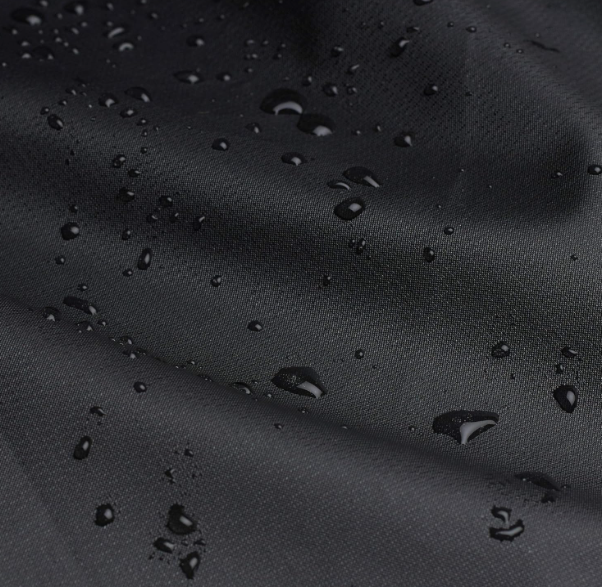
Garden furniture covers are sold, marketed, and described as if they are all essentially the same product. Waterproof fabric, a drawstring at the bottom, a tie or two to keep it on, job done. You pick the size that matches your set and move on.
The reality is that the material your furniture is made of changes what a good cover actually looks like. A cover that works well on teak may not be ideal on rattan. A cover that suits rattan may be actively unhelpful on teak. This is something I do not see explained anywhere in cover listings, and it leads to a lot of avoidable disappointment.
After more than a decade of selling both teak and rattan garden furniture, I want to walk through what actually happens under a cover, why the furniture material changes everything, and how to make sensible choices for each type.
The Short Version for People Who Want a Quick Answer
Teak furniture needs a breathable cover more than it needs a fully waterproof one, and in many cases does not really need a cover at all. Rattan furniture needs moisture control focused on the cushions more than on the frame itself. The weakest approach is to buy a cheap, non-breathable cover and assume it does the job for any type of furniture. That single decision causes more problems than almost anything else in the garden furniture category.
If you want to understand why the two materials have genuinely different needs, the detail is below.
What Actually Happens Under a Garden Furniture Cover
Before looking at teak and rattan separately, it helps to understand what physically happens when you put a cover over garden furniture and leave it there.
A cover creates a small, contained environment. Air moves in and out, but slowly. Temperature and humidity inside the cover are different from the outside air. When the sun warms the cover in the morning, the air inside expands and can hold more moisture. When temperature drops at night, that moisture condenses, usually on the inside of the cover or on the coldest surfaces underneath it. This is the same basic process that causes condensation on the inside of a car windscreen overnight.
What happens next depends entirely on how the furniture underneath responds to that moisture, and whether the cover allows it to dry out before the cycle starts again. This is where teak and rattan behave very differently.
Why Teak Has Its Own Covering Needs
Teak is a natural hardwood with high levels of oil and silica in the heartwood. This gives it genuine weather resistance, which is why properly made teak furniture can sit outside uncovered year round in the UK without structural damage. The silver-grey patina it develops over time is the natural result of the surface oxidising in UV and rain. The wood underneath that patina is essentially fine.
This changes what a cover needs to do on teak. The job is not really to protect the wood from weather, because the wood does not strictly need that protection. The job is usually one of two more specific things.
Keeping the Colour for Longer
Some owners want their teak to retain its original golden-brown colour rather than weather to silver. A good breathable cover slows down the UV exposure and rain contact that drive the colour change, which extends how long the brown tone lasts. The full detail on what happens when teak does weather naturally is covered in my piece on when teak garden furniture goes silver and why that’s actually good.
Reducing Cleaning Work in Spring
Uncovered teak accumulates dirt, pollen, bird droppings, and leaf debris across winter. A cover keeps the surfaces cleaner, which means less work with soap and water when spring arrives.
What a cover absolutely must not do on teak is trap moisture against the wood for months on end. Teak is accustomed to drying out between wet spells. If it is wrapped in a non-breathable cover, moisture condenses against the surface and cannot escape. The result can include surface staining, pronounced uneven patina patches, and in some cases black spotting from mould spores that would never have established themselves on properly ventilated wood.
For more on the whole question of whether to cover teak at all, I have written separately on should you cover teak garden furniture in winter and what happens if you don’t.
Why Rattan Has Completely Different Needs
Rattan garden furniture, the synthetic PE rattan used in most quality sets, is a fundamentally different material. The weave itself is made from UV-stabilised polyethylene strands, which do not absorb moisture. The frame underneath is powder-coated aluminium, which does not rust. Neither the weave nor the frame is vulnerable to rain in the way a natural material would be.
The vulnerable part of a rattan set is the cushions. Outdoor cushions have water-resistant covers and quick-dry foam, but they are not designed to sit wet for extended periods. Prolonged dampness leads to musty smells, potential mould growth on the fabric, and degradation of the foam over time.
This changes what a cover needs to do on rattan in a specific way. The cover is not really protecting the frame or weave. It is primarily protecting the cushions. That shifts the priorities.
Ventilation Matters Even More
Because cushions are the main vulnerability, trapped moisture under the cover is a serious problem. A non-breathable cover creates exactly the damp, still environment that causes cushion problems. A breathable cover lets air circulate enough that small amounts of moisture can evaporate rather than sit on the fabric for weeks.
Fit and Security Matter More
Rattan sofa sets and corner configurations have awkward shapes compared to a straightforward dining table. Covers need to fit properly around arms, corners, and raised backs, otherwise pockets of loose fabric collect rainwater, which then puddles and eventually soaks through seams onto the cushions below.
Many Owners Remove Cushions Entirely
The most practical approach for a lot of rattan owners is to bring cushions into a shed, garage, or cushion storage box during extended bad weather or through winter, and cover only the frame. The frame itself is so weather-resistant that the cover’s job becomes mainly cosmetic: keeping dirt and leaves off rather than protecting a vulnerable material.
For more detail on rattan care through winter specifically, my piece on looking after rattan garden furniture in winter goes into the practical options.
Why the Same Cover Can Cause Different Problems
This is where it gets interesting. The same style of cover, put on both types of furniture, can produce different outcomes, and the reasons are often misunderstood.
Cheap Non-Breathable Cover on Teak
The cover seals moisture against the wood. Condensation builds up inside. After a few months, the owner removes the cover and finds the teak has developed uneven discolouration, possible black spotting, and a slightly damp, heavy feel to the surface. They conclude the cover failed to keep the rain out. In fact, the cover worked perfectly at keeping rain out, but it also kept moisture from evaporating. The teak would have been drier if left uncovered entirely.
Cheap Non-Breathable Cover on Rattan
The same cover on a rattan set. The frame and weave are fine, because they do not mind moisture. But the cushions, sealed underneath, develop a musty smell and potentially visible mould on the fabric by spring. The owner concludes the cover was not waterproof enough, when in fact the cover’s waterproofing was fine. The problem was that cushion moisture had nowhere to go.
In both cases, the cover is the cause of the problem, but the problem presents differently depending on the material underneath. And in both cases, a breathable cover would have performed significantly better.
What a Good Teak Cover Actually Looks Like
If you have decided to cover your teak set, rather than let it weather naturally, here is what genuinely works.
The single most important feature is breathability. You want a cover made from a woven fabric that allows air to pass through while still repelling water. The industry standard for this is a tightly woven polyester with a PU (polyurethane) coating, or a purpose-built breathable membrane. These materials let water bead off the top while allowing water vapour to escape from underneath.
The fit should be loose enough to allow air circulation under the cover, but snug enough not to flap about in wind. Covers that are very tight, hugging every contour of the furniture, tend to restrict airflow and worsen the moisture trap issue.
Drawcord bottoms with some slack are better than tight elasticated skirts, for the same reason. A little airflow at the base of the cover lets moisture escape without compromising weather protection in any meaningful way.
If your teak set is a large extending dining set, like many of our teak outdoor dining sets, the cover needs to be sized for the set with chairs tucked in, not for the bare table. Measuring with the chairs in place is easy to overlook and leads to covers that look a size too small when you actually try to use them.
What a Good Rattan Cover Actually Looks Like
The priorities shift when the furniture underneath is rattan.
Breathability still matters, but for different reasons. On rattan, you are protecting cushions from damp, so preventing moisture buildup under the cover is critical. A breathable cover gives the cushions a chance to dry out between rainy spells rather than staying wet for days at a time.
Water repellency on the cover surface matters more than on teak, because cushions cannot tolerate sustained rain exposure the way wood can. A quality rattan cover has a higher water-repellent rating on the outer fabric than a standard teak cover, alongside that breathability.
Shape matters far more on rattan than on teak. A rattan corner sofa set has a much more complex silhouette than a dining table. Generic rectangular covers tend to fit badly, leaving sagging pockets at corners and gaps at armrests. Covers designed for specific set shapes (L-shaped corner sets, round sofa sets, high-back sofas) perform much better, because they avoid the puddle points that cause water to collect and eventually seep through.
Fastening matters too. Rattan sofa sets are heavier than dining sets and much harder to move, so the cover is genuinely expected to stay put through winter wind. A good cover has proper buckles or adjustable straps that clip underneath the frame, rather than just elastic edging. Elastic alone does not hold covers on through serious gusts.
The Cushion Question: The Real Issue on Rattan
Because cushions are the main vulnerability on rattan furniture, how you handle them matters as much as which cover you buy for the frame.
The most reliable approach is to remove cushions entirely during extended bad weather and store them in a waterproof cushion storage box, a dry shed, or indoors. Many rattan owners do this seasonally rather than trying to protect cushions under a cover.
If you want to leave cushions in place, the cover quality becomes critical. You need a cover that is genuinely water-repellent on the outside, breathable on the inside, and fits properly enough that rain runs off rather than pooling. Not many covers meet all three of those conditions.
A middle-ground option that works well is to bring cushions indoors or to a storage box during forecast heavy rain or through winter, and leave them in place during ordinary British weather with a standard cover over the set. This balances practicality with cushion lifespan.
For a broader look at our garden furniture covers range, the category page on the site has options for different furniture types with the specifications included.
Common Mistakes That Apply to Both Materials
There are a few errors I see often enough to be worth flagging, and these apply regardless of whether your furniture is teak or rattan.
Using a Non-Breathable Plastic Tarp
A basic plastic tarp is the worst option available for either material. It seals moisture in completely, has no airflow, and causes more problems than it solves. If the only alternative is a plastic tarp, leaving the furniture uncovered is usually the better choice.
Covering Wet Furniture
Putting a cover on furniture that is already wet locks the moisture in place. For teak, this can cause the surface issues described above. For rattan cushions, this is a reliable way to produce mould within weeks. Always let furniture dry thoroughly before covering.
Sizing Too Large or Too Small
An oversized cover creates sagging pockets where water collects and eventually seeps through or stresses the seams. An undersized cover leaves parts of the furniture exposed and often tears within a season as the fabric is pulled taut in ways it was not designed for. Measuring properly, including chair backs where applicable, is worth the five minutes it takes.
Assuming All Covers Are Waterproof
Many covers are described as waterproof but are actually only water-resistant. Others are waterproof on the top panel only, with breathable or unsealed sides. Reading the actual specification rather than relying on marketing language is how you avoid surprises.
Leaving Covers On Year Round
Even a breathable cover is better off being removed occasionally, particularly in dry spells, to allow full air circulation around the furniture. Covers that are never removed tend to accumulate dirt on the inside, and after a year or two they can smell musty even when they look fine on the outside.
Which Material Needs Covering Most?
An honest answer to this question is that rattan cushions need the most weather protection of anything in a standard garden furniture set. Rattan frames do not need much protection at all. Teak furniture does not strictly need a cover, but benefits from one if the owner wants to preserve the original colour.
In order of who actually benefits from covers:
Rattan cushions benefit most. Left uncovered through winter, good quality cushions degrade, and replacement is one of the main ongoing costs of rattan ownership.
Teak that the owner wants to keep golden-brown benefits next. A good breathable cover meaningfully slows the colour change.
Rattan frames benefit least. They will be perfectly fine uncovered, because the materials are built for exactly this.
Teak that the owner is happy to let weather to silver benefits least of all. A cover is essentially optional in this case, and leaving the furniture uncovered is a completely legitimate choice.
A Practical Summary
If you take one thing from this, it is that “garden furniture covers” as a category is misleadingly broad. The cover that suits a teak set and the cover that suits a rattan corner sofa are different products, optimised for different problems, and treating them as interchangeable leads to poor outcomes on one or both.
On teak, prioritise breathability above all else. The wood can handle rain. It cannot handle being sealed in damp conditions for months.
On rattan, prioritise a cover that matches the shape of the set properly, has proper fastening to stay put in wind, and either accommodates cushions with breathable inner conditions or is used alongside a plan for storing cushions separately in bad weather.
For either material, cheap non-breathable covers cause more problems than they solve. A proper cover costs more, but it also actually does the job rather than creating new ones.
If you want to look at the full range of teak garden furniture or rattan garden furniture alongside the covers that suit each, it is all on the site. And if you have a specific set and want to work out what will actually suit it, my contact details are there too. I would rather help you choose something that works than see you back in a year with cover-related problems that were avoidable from the start.


